Professional Fence Repair Services: Revive Your Fence's Beauty and Function
Skilled fence repair services play a vital role in preserving the aesthetic and functional quality of properties. Fences endure various types of damage, from deterioration to pest intrusion, which can threaten security and overall property value. Experienced professionals evaluate these concerns carefully and formulate effective repair strategies. Grasping the complexities of fence repair can significantly influence long-term upkeep. What measures should property owners take when confronting these issues?
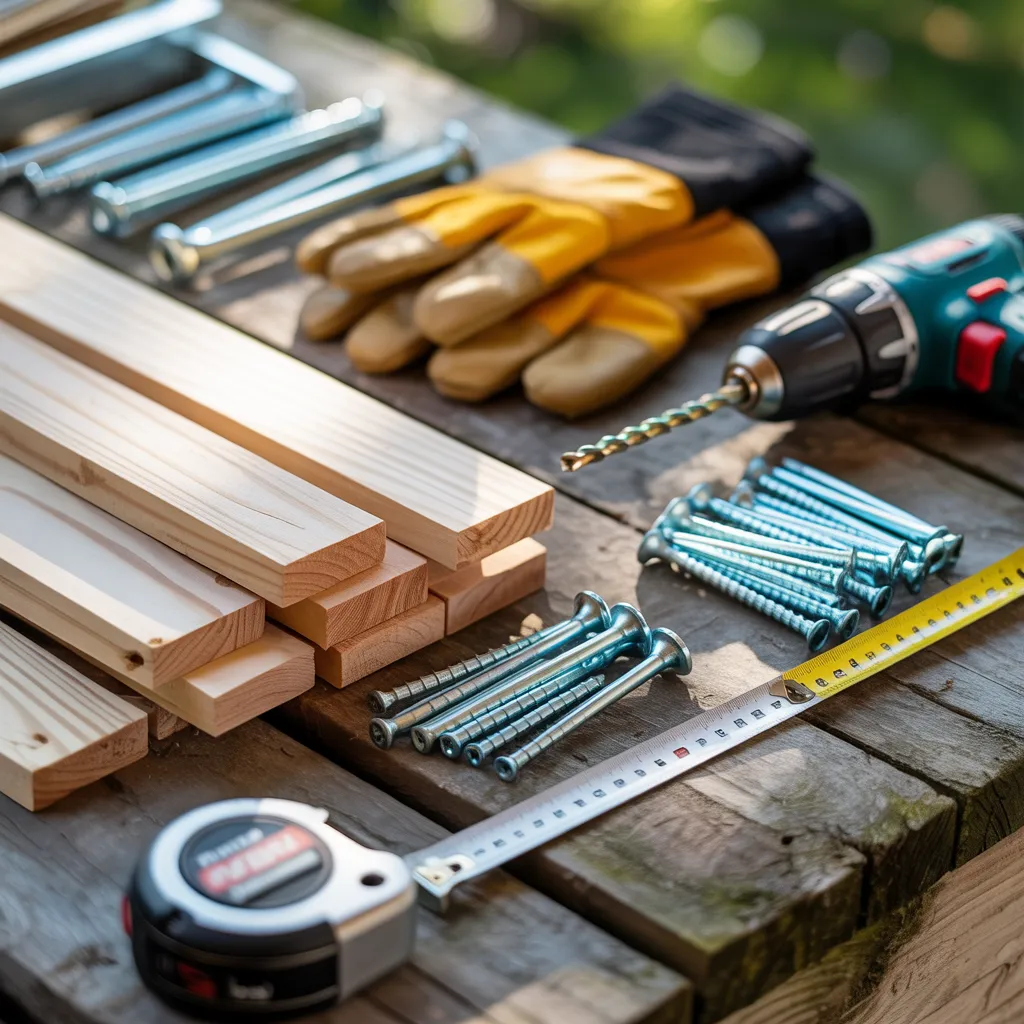
Significance of Fence Repair for Property Value and Safety
Preserving a properly maintained fence serves a vital purpose in ensuring the security and value of any property. A strong and visually appealing fence boosts the overall look of a property, making it more attractive to potential buyers. A complete and undamaged fence establishes clear boundaries, providing a sense of security for residents and pets alike. Failing to address fence maintenance can result in gradual decay, ultimately reducing the worth of the property and creating greater safety concerns.
Moreover, a deteriorating fence can draw in trespassers and wildlife, presenting serious safety concerns. Swift repairs can stop further deterioration, confirming the fence operates at its full capacity. Regular maintenance also extends the lifespan of the fence, saving property owners money in the long run. Essentially, emphasizing fence repair not only maintains the structural integrity but also upholds the safety and aesthetic value of the property.
Common Types of Fence Damage and Their Causes
Fences often suffer damage from various environmental and biological factors. Weather-related issues, such as heavy rain, snow, or extreme heat, can weaken materials and lead to structural problems. Additionally, pest infestations can compromise the integrity of a fence, requiring prompt repairs to preserve safety and appearance.
Climate-Related Damage Factors
Harsh weather conditions can considerably impact the stability of fences, leading to various types of damage. High winds often cause panels to warp or snap, while excessive rainfall can lead to waterlogged soil that undermines the base of the fence. Heavy snowfall can add weight, causing stress or deterioration, especially in wood-based fence structures. Additionally, severe temperature fluctuations can cause materials to expand and shrink, leading to splitting and distortion. UV exposure from intense sunlight can break down finishes and erode material strength over time. These environmental influences not only affect the visual integrity of a fence but also its functionality, making timely repairs essential to ensure long-lasting performance and maintain property value. Periodic assessments can help detect underlying problems before they worsen.
Pest Infestation Problems
Pest infestations can silently undermine the integrity of a fence, leading to significant deterioration over time. Typical causes involve termites, which feed on wooden structures, creating structural weakness and ultimately leading to a collapse. Carpenter ants, another destructive species, excavate wood to establish nests, continually undermining the fence's stability. Moreover, rodents may gnaw through fencing materials, in search of shelter or food. Such infestations frequently remain undetected until significant harm has occurred, necessitating costly restoration work. Consistent monitoring and swift treatment are necessary to minimize these risks. By addressing pest issues early, homeowners can preserve the aesthetic and structural integrity of their fences while preventing long-term damage resulting from these harmful organisms.
How to Detect Fence Damage
A comprehensive assessment can reveal several symptoms of fence deterioration that could easily go unnoticed. Homebuilders should commence by checking the posts for decay or rot, often found at the base where moisture gathers. Noticeable cracks or warps in the timber can indicate structural instability. Moreover, examining for absent or unsecured nails and screws is essential, as they may undermine the fence's overall strength.
Another important aspect is to inspect the panels for distortion or slanting, which could signal deeper problems. Steel and iron fences should be checked for oxidation or deterioration, while PVC fencing might show signs of discoloration or splitting. Finally, openings at the base of the fence can suggest erosion or pest activity. Routine checks allow homeowners to detect these problems in a timely manner, guaranteeing prompt fixes while preserving the structural integrity and visual charm of the fence.
What Do Fence Repair Specialists Do?
Fence repair experts evaluate and resolve a variety of issues to reinforce and preserve the structural quality of fences. These professionals start with a comprehensive assessment, identifying damage such as loose boards, rusted nails, or structural instability. Once the problems are pinpointed, these professionals develop a personalized maintenance approach that could involve replacing damaged sections, applying protective coatings, or reinforcing weak spots.
Alongside physical repairs, professional fence specialists additionally provide care recommendations to extend the life of the fence. This often encompasses recommendations for periodic evaluations, cleaning, and treatment against environmental wear and pest-related damage. If necessary, they can assist in selecting appropriate materials that align with the original fence aesthetic while guaranteeing durability. In the end, their expertise guarantees that the fence performs effectively while maintaining an attractive appearance, offering both protection and added value to the premises.
Why Should You Hire a Fence Repair Expert?
Why should property owners consider hiring a fence repair expert? Working with a professional can ensure that all repairs are carried out thoroughly and effectively, safeguarding the integrity of the fence. Professionals have the required expertise, equipment, and understanding to evaluate damage precisely and apply suitable remedies. This expertise helps in identifying underlying issues that may not be visible to the untrained eye, preventing future complications.
In addition, experienced contractors understand local regulations and can secure proper compliance, minimizing the risk of legal issues. Enlisting a specialist also preserves time; home owners can steer clear of the hit-or-miss methods frequently connected to DIY repairs. In addition, a well-repaired fence enhances property aesthetics and value, delivering a worthwhile return on the investment. When all is said and done, homeowners can rest easy knowing their fence is being handled by skilled professionals, permitting them to prioritize other significant aspects of household maintenance.
Should You Fix Your Fence Yourself or Hire a Professional?
When evaluating fence repair, one must evaluate individual skill sets and the time commitment required for the task. Furthermore, a cost comparison between DIY efforts and hiring a professional can significantly impact the decision. Considering these elements will make it easier to establish the most practical approach for fence repair.
Assess Your Skills Honestly
Figuring out whether to approach fence repair by yourself or hire professional help depends on an honest evaluation of your abilities. Individuals must critically examine their knowledge of tools and familiarity with fencing materials. Individuals with prior home improvement knowledge may feel capable handling basic maintenance, such as replacing boards or tightening nails. Conversely, complicated problems like foundation damage or wiring concerns require professional expertise that may go beyond a beginner's skill set. Additionally, evaluating your physical capacity is important; fence repair can demand considerable effort. Ultimately, acknowledging your own limits can prevent costly mistakes and guarantee that repairs restore the fence's usability and visual charm. Taking a thoughtful approach will lead to a better result, whether deciding to handle it independently or enlisting skilled help.
Assess Time Commitment Required
The amount of time available for fence repair can heavily impact the decision between a do-it-yourself approach and bringing in a professional. Homeowners should carefully consider their schedules and free time. A do-it-yourself project might seem like a good idea, but it often requires a significant time investment, especially for those lacking experience. Tasks such as clearing away old materials, measuring the space, and fitting new sections can be lengthy and labor-intensive. In contrast, experienced professionals contribute efficiency and know-how, frequently finishing repairs in far less time. When considering the time commitment, people should also consider possible setbacks caused by weather or unexpected issues. In the end, a clear understanding of how much time is on hand can direct homeowners to the most suitable option for their fence maintenance and repair needs.
Comparing Costs: DIY vs. Pro
When considering the costs of handling fence repairs independently against enlisting professional help, homeowners should consider not only the financial cost but also the investment of time and energy. Self-managed repairs often look cost-effective upfront, primarily covering material costs. However, homeowners must consider the risk of missteps, which can result in additional expenses. Conversely, hiring professionals may have elevated starting prices, but they offer expertise, quality workmanship, and a warranty, ensuring enduring value. Assessing the scope of the repair is crucial; simple fixes may lend themselves to DIY, while significant structural issues may require professional intervention. Ultimately, the decision copyrights on balancing immediate costs with future benefits and the homeowner's confidence with DIY tasks.
Best Practices for Fence Maintenance After Repairs
Following the completion of fence repairs, homeowners should make proper maintenance a priority to maximize the longevity of their investment. Routine inspections are essential; checking for loose boards, rust, or signs of rot can stop minor problems from worsening. Cleaning the fence periodically with a gentle soap solution aids in eliminating dirt and mildew, maintaining its visual appeal.
Furthermore, using a weather-resistant sealant or stain every few years will guard the material from weather damage and UV rays. Residents should also take care that surrounding vegetation is cut back to stop overgrowth from harming the fence.
Proper drainage is critical; ensuring that water does not collect near the fence's base can reduce moisture-related damage. Lastly, preserving an open space around the fence helps prevent unintentional contact from yard tools or large objects. Adhering to these guidelines will preserve the fence's appearance and performance well beyond the repair process.

Common Questions and Answers
How Long Should You Expect a Common Fence Repair to Take?
A standard fence repair typically takes anywhere from a few hours to several days, depending on the extent of the damage and the materials involved. Weather conditions and other factors may also affect the timeframe.
Which Materials Work Best for Fence Repairs?
Wood, vinyl, and metal are ideal materials for fence repairs. Each option comes with its own set of benefits: wood provides aesthetics, vinyl guarantees durability, and metal delivers strength. Picking the best material is determined by particular needs and surrounding environmental elements.
Is It Possible to Paint My Fence Following Repairs?
After repairs, painting a fence is entirely feasible and commonly suggested. This improves the appearance and offers added protection. It is essential to ensure the surface is clean and dry prior to applying paint for optimal adhesion and durability.
Does Homeowners Insurance Cover Repairs?
Homeowners insurance may cover repairs, subject to the policy conditions and the reason for the damage. discussion Homeowners should review their specific coverage details or consult their insurance provider for clarification on repair eligibility.
What Steps Should I Take if My Fence Is Leaning?
When a fence begins to lean, the owner should assess the cause, such as decay or soil erosion. Reinforcing the posts or adjusting the level might be required, and expert assistance can ensure a durable fix.